The modern person can’t get enough energy. Our phones, computers and cars constantly need plugging in. All that technology is worthless without a charger cable.
We treat our bodies like big electronic devices too. Every morning we fuel up on caffeine and carbohydrates only to crash on the couch hours later. If only we could contain it and lock it down. But we can’t, so we’re endlessly looking for more. Deep down we fear we’ll lose it: going flat, burning out, a depression or death.
But in our rush to power up, we forget to ask ourselves: where is all this energy going to go?
Pent up
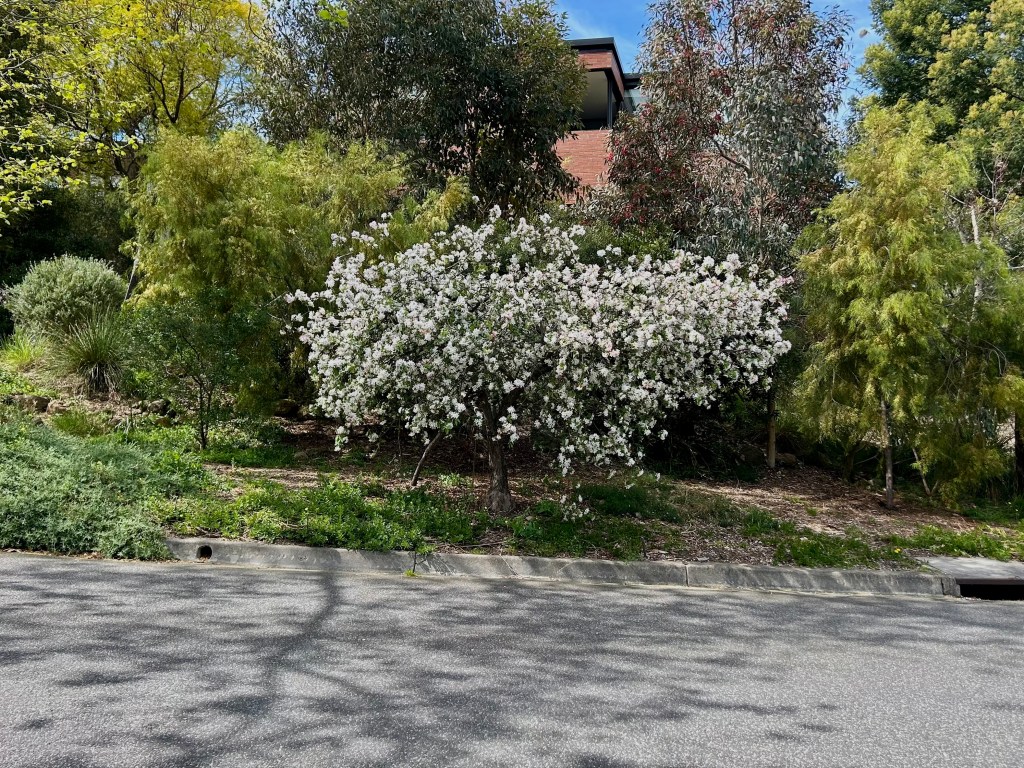
Think of it this way. As you buy, cook and eat food, rubbish starts to pile up. At some point, you’ll need to empty the trash. Or think of water flowing along a street gutter after a heavy rain. The water needs to move, and if it can’t find a storm drain, it floods to find another way out. Similarly, our bodies finds ways to burn off this excess energy.
It can happen unconsciously. Office workers, cooped up in cubicles, jiggle their legs under their desks. We chew on our nails, fidget and scratch our heads. We blurt things out or find ourselves in loud arguments.
We can see this sort of behaviour in animals too. Unlike us, they can’t hide it with stories or excuses. When a dog doesn’t get a walk, pent up energy can yelp, pace or chew it’s way out.
It may not feel like it, but energy is always finding a way out.
A way out
Just like we can’t exactly stop rain water or accumulating waste, we need to rely on more conscious outlets, like exercise.
At first, it can be good to just burn everything up. For example, if a dog has been cooped up in a cage, it will need a long walk or a big swim to get back to baseline. In a similar way, yogis have argued that modern people carry too much nervous energy to go straight into sitting on a cushion. They prescribe intense physical activity, catharsis or yoga poses like “Lions Breath”.
Once you’ve dealt with excess energy, sitting quietly or walking the dog should be much easier. From then on, we can find different ways to exercise, like weightlifting or running.
We don’t need to rely on exercise either. It’s simply not practical to run for hours every time we feel nervous or over-excited. Instead, we need to build a more conscious relationship with our own energy, while making sure it doesn’t become neurotic or compulsive.
Here’s what that could look like:
- Instead of feeling irritated by your restlessness, you could funnel it into cooking a complicated dish or a creative project.
- You could experiment eating different kinds of foods. Rather than avoid sugar because of the associated energy crashes, you could try using it to help with a tough training session or to think through a problem.
- For other ideas, we can look to those who have mastered energy, like Pema Chödrön, who views something like anger as a “limitless source of creative power”.
Like an electric current or an over-excited dog, energy isn’t bad. It just needs a place to go. Instead of chasing it we should be thinking about how to use it carefully and consciously.

