
Don’t fear fear.
Jetsunma Tenzin Palmo
I must not fear. Fear is the mind-killer. Fear is the little-death that brings total obliteration. I will face my fear. I will permit it to pass over me and through me. And when it has gone past I will turn the inner eye to see its path. Where the fear has gone there will be nothing. Only I will remain.
Frank Herbert, Dune
You wouldn’t be reading this sentence if you and your ancestors didn’t feel or act on fear from time to time. But there’s a lot less to fear nowadays. Direct threats to our life are thankfully not a daily occurrence. We don’t need to sleep with one eye open, ever-vigilant for a bear or that blood thirsty love-rival. Instead, the majority of the fear and anxiety we experience is a sort of psychological kind. We are scared of thoughts and memories more than anything else. We are fearful of imagined events in the future or trivial things in our past. To avoid fear, we act in certain ways or bias toward certain things. Fear-soaked memories from decades ago can influence everything from our job to our coffee order.
Fear also narrows down our choices. Our future becomes predictable. When we are scared, we make choices very quickly. “I want to go home right now” sounds like a choice, but in a way, the choice has been made by fear, not us. If we feel uncomfortable wearing a brightly coloured shirt, we’ll say “I’d prefer this white one instead.” Habitual, familiar choices feel attractive in comparison with something that elicits fear. And when we are really scared, there’s hardly any deliberation at all. Ultimately, fear strips away your agency. Because if your choice is driven by fear, are you really choosing?
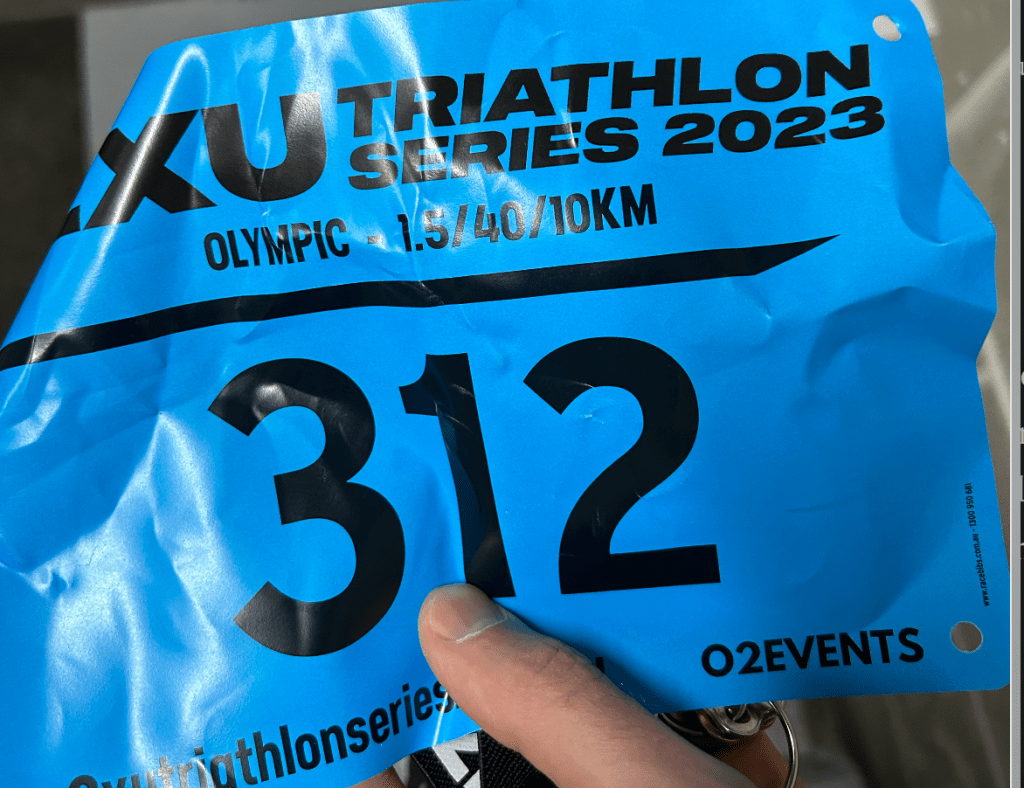
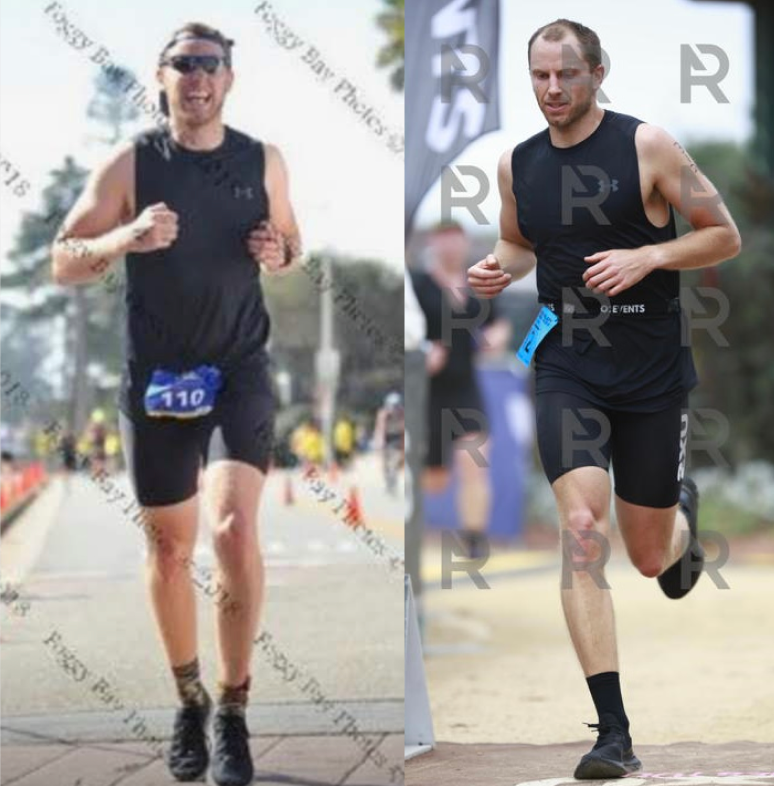
We also feel fear about the future itself, like when we have an upcoming race we’ve been training for. As the big day gets closer, we try to picture what will happen and problem solve potential disasters. We might think “I’m not ready for this race.” Or “this is a waste of money.” These thoughts are usually dramatic and simplistic but they usually contain some truth. It’s useful to plan a little about the future. But if we are overly anxious, we can start to over-think. With fear, excuses can quickly become actions. All of a sudden we’ve pulled out of the race before even experience it.
These excuses are like little glimpses of potential futures. If you believe the story you are telling yourself, that future becomes a reality. And it’s happening all the time. In any given moment, you are living with decisions that were largely decided by fear, hours, days or years earlier. We find ourselves scrambling to catch a hastily booked flight or struggle with a test that we avoided to study for. In many ways we don’t relate to our future self, even though we are the same person who has to live out those consequences.
So are you doomed to live out the fearful decisions you and all your ancestors have made? Not quite. Even though fear narrows down your options, there’s always lots of available things you could do. If we are walking home from work, we could take any number of different paths home. We could skip. We could walk backwards. We could call a cab. You may not think you’re the kind of person who would do any of those things, but would has got nothing to do with could.
In myths and folklore when someone is granted a wish, they almost invariably mess it up. We are not very good at knowing what we want. We listen to deeply ingrained beliefs rather than our intuition. We spend a lot of our lives doing what we think others will like, rather than what we really want. And worst of all, we tend to crave impossible things, like for people to change, a ‘perfect’ partner or never getting old.
Figuring out what you truly want might take a lifetime. But you can start interrogating your current choices today. Questioning our intent can help us to recognize and embrace the options that are always available to us.
- Why are you doing what you are doing? Next time you lace up your runners (whether its for an Ultra or a walk around the block) ask yourself why you are doing it. The answer doesn’t matter, it’s simply about checking in with yourself. You might answer something like “I’m going for a run so that I can see new parts of my neighborhood” or “…so that I’m in a better mood when I talk to my family.”
- What do you want to get out of it? For any upcoming event, ask yourself what you intend to get out of it. If you’ve jut bought a book, what do you intend to find out from this book? What do you want to know?
- What are you going to do about it? When faced with a problem, obstacle or challenge, ask yourself what are you going to do about it? If you are going after some goal, why? And how strongly do you want it?
Intentions, purpose, goals are all interesting things to think about once in a while. Most of the time we forget they even exist. But when we aren’t making choices out of fear, we can start to consider what we actually want.
 Buddha Bike
